Coming soon
Beethoven’s Moonlight Sonata
A focused study of performance, atmosphere, historical context, and symbolic design—asking whether the complete sonata may form a three-movement drama of warning, possibility, and consequence.
Planned as a focused ten-week program • Not yet open for Fall 2026 enrollment
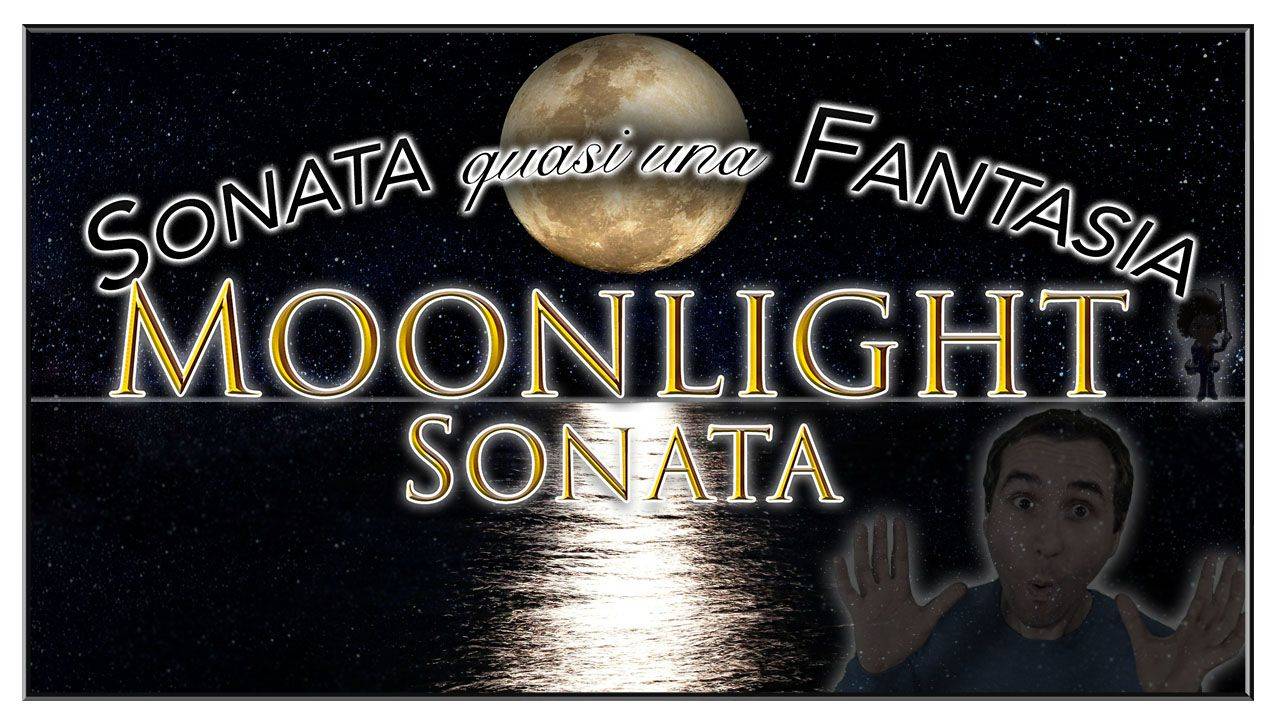
A familiar work, newly heard
A nocturnal warning—and a voice calling from the distance
The course begins with the atmosphere traditionally associated with the first movement, then reveals the symbolic figures and the story they begin to reveal, and how they carry through the complete sonata.
Hear the distant voice
Balance the continuous accompaniment beneath a singing melodic line, shape the call across long phrases, and make deliberate choices about tone and pedal.
Read the warning in the score
Learn the dynamic range of symbolic techniques Beethoven employs to reveal a story beneath the traditional structure.
Test the larger interpretation
Compare musical evidence with the story that unfolds - and the possible moral trajectory it implies across all three movements.
Specific clues • careful interpretation
The course follows recurring symbols—not just atmosphere
These readings are investigated as hypotheses grounded in score evidence, historical context, and comparison—not presented as a fixed decoding key.
Decalogi transgressionem notat
"Transgression of The Ten Commandments"
The course examines musical figures connected with the idea of transgressing the Decalogue and demonstrates where layered gestures appear in Beethoven’s design.
Cross motifs
Shapes that may carry meaning
Ancient symbols become part of a broader inquiry into warning, suffering, repentance, and redemption.
Whole-sonata architecture
One story across three movements
Learn how the interpretation becomes strongest when the first movement’s warning is tested against the contrasting visions that follow.
Play first • discover next
Three layers for studying one remarkable piece
Begin with the level of support you need. Each layer adds fluency and depth without requiring every learner to enter at the same point.
Layer 1
Supported Fast Track
Use helpful letter names inside the notes and short, focused lessons to enter the piece without being overwhelmed.
Layer 2
Standard Notation
Read the score directly, strengthen reliable practice habits, and reduce dependence on memory or imitation.
Layer 3 • Symbolic Study
Symbolism + Interpretation
Examine score-based evidence, historical context, recurring patterns, and competing interpretations—always distinguishing observation from hypothesis.
Approximately 10 Weeks
A focused course with a clear finish line
The course is planned as a limited study of roughly ten weeks. The exact schedule remains open until the final lesson map and offer terms are approved.
Opening phase • Sound + balance
Establish the triplet texture, melodic projection, hand balance, pedal strategy, and a sustainable tempo.
Middle phase • Structure + direction
Connect harmonic events, phrase across repetitions, and hear how register and texture guide the movement forward.
Final phase • Interpretation + inquiry
Refine the complete performance, compare interpretive choices, and investigate deeper questions supported by the score and context.
Performance • literacy • interpretation
A piece you can play—and a score you understand more deeply
Practical technique
Develop voicing, tonal balance, legato control, pedal clarity, rhythmic steadiness, phrase direction, and the concentration required to sustain the movement.
Stronger score reading
Learn to notice patterns, voices, harmonies, and structural choices that support memory and independent practice.
Evidence-based interpretation
Use what can be observed in the music to make thoughtful performance choices and evaluate broader symbolic possibilities.
Ages 10+ • teens • adults • teachers • SCHOLARS
Serious study without a stuffy atmosphere
This course is for learners who want to move beyond the familiar opening atmosphere and understand how the movement actually works. It welcomes serious teens, adults, teachers, and returning players who enjoy careful study without academic stiffness.
- Advancing students ready for a complete classical work
- Returning adults who want a structured path back to the piano
- Teachers seeking richer analytical and interpretive resources
- Curious musicians drawn to the meeting point of performance, history, and symbolism
- Scholars preparing for Advanced Studies application
Pedagogy • performance • composition • research
Careful inquiry, carried into performance
Zach Tolan has taught since 2002 and led more than 60,000 lessons and classes. His advanced work joins practical score reading with original research into musical symbolism in Bach and Beethoven.
The aim is not to hand students a fixed decoding key. It is to teach them what to observe, how to compare patterns, how to place evidence in context, and how to remain open to revision.
A multi-day primer is in development
Enter the ideas before the full course opens
The planned launch will move from a broad introduction to deeper discussion and finally into the score itself.
Primer
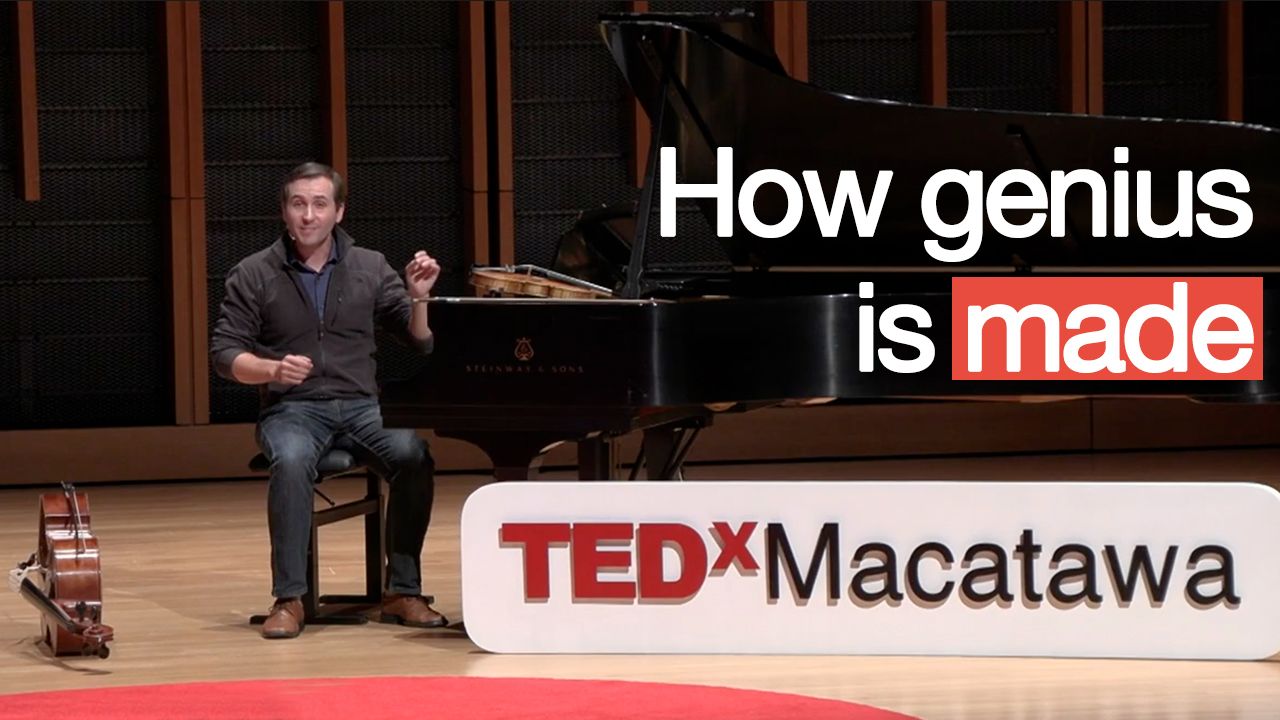
Watch the TEDx talk
Begin with the larger question of how musical patterns, deep practice, and careful observation create understanding.
Deeper context
Hear the podcast conversation
Continue with a longer-form discussion of the research, interpretive process, and musical-symbolism questions behind the work.
Score sample
First-page packet + course lesson
The opt-in sequence will culminate in a printable first-page packet and a sample lesson drawn from the course assets now being assembled.
Coming soon
Moonlight Sonata enrollment is not yet open
The course is in a later stage of development and will not be ready for the initial Fall 2026 launch. The planned multi-day introduction will include the TEDx primer, deeper podcast context, a first-page score packet, and a sample course lesson before enrollment opens.
Begin now with Für Elise or the ongoing Masterworks pathway.
Explore Classical Piano Options